

Kedarnath sits within the older pilgrimage geography of Garhwal, where river valleys, seasonal temple openings and walking routes shaped travel long before the modern road network.
Lord Shiva
Kedarnath
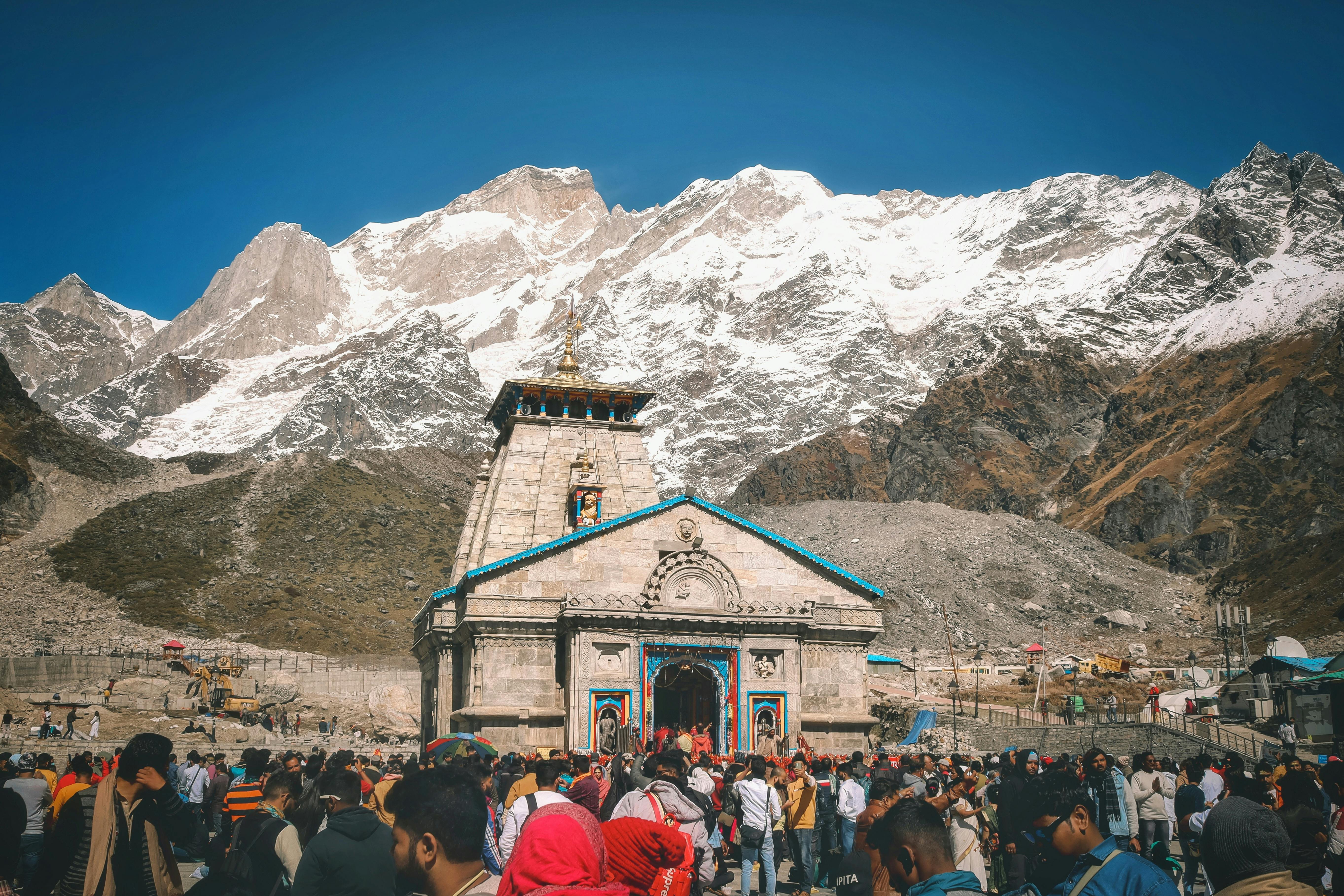
A stone shrine below the Kedarnath range, where the Mandakini valley turns the final climb into a deeply physical and spiritual arrival.
3,583 mRudraprayag district, Uttarakhand2°C to 18°C
Travel Desk
Kedarnath New Updates
Live route, weather and crowd status for this destination plus general travel news.
Pilgrimage Overview
One of the twelve Jyotirlingas of Lord Shiva located in the Garhwal Himalayas. Accessible via trek from Gaurikund or helicopter services.
Jyotirlinga shrineMandakini valley trekHelicopter access from Phata/SersiBhairavnath viewpoint
Route Snapshot
Roadhead is Gaurikund via Haridwar, Rishikesh, Devprayag, Rudraprayag, Guptkashi and Sonprayag. The final approach is typically a 16-18 km trek from Gaurikund, with pony, palki and helicopter options subject to official availability.
- Start the Gaurikund trek before sunrise and keep thermal layers accessible.
- Book helicopter slots only through authorized operators and account for weather delays.
- Carry photo ID, rain protection, trekking shoes and prescribed medicines.
- Avoid rushing the climb; the altitude and steep gradients can affect first-time pilgrims.
Historical Context
The long memory behind Kedarnath.
Kedarnath sits along a pilgrimage route shaped over centuries by river confluences, seasonal temple openings and mountain trade paths through Rudraprayag district, Uttarakhand. That older rhythm still explains why the modern journey is best paced rather than rushed.
The shrine's identity is inseparable from Rudraprayag district, Uttarakhand. Pilgrims traditionally approach it with pauses at confluences, market towns and rest points that prepare the body before the final sacred precinct.
Today the journey blends heritage and logistics: darshan timings, road advisories, weather windows and local customs all influence how the pilgrimage should be paced.
Mythological Significance
The sacred narrative of Kedarnath.
Kedarnath is bound to the devotional traditions of Shiva, carried up this valley by pilgrims for generations. The shrine's meaning comes as much from what it represents as from the landscape around it.
Kedarnath is revered through traditions connected with Shiva, giving the site a devotional character that goes beyond its dramatic Himalayan setting.
Stories, rituals and temple calendars vary by season, but the central experience remains one of arrival: the final stretch compresses landscape, discipline and prayer into a single moment.
The most respectful plans leave time for local ritual rhythms instead of treating the shrine as a quick sightseeing stop.
Extended Daily Itinerary
A deliberate route instead of a rushed mountain run.
A Kedarnath pilgrimage rewards patience. This plan spreads the journey across gateway arrival, the mountain roadhead, darshan and recovery, so altitude, weather and crowds are handled with margin instead of a rushed single push.
Gateway Arrival
Arrive in Haridwar, Rishikesh or Dehradun, confirm road conditions and keep the first night intentionally light.
Mountain Roadhead
Drive toward Rudraprayag district with meal, fuel and health breaks planned before the higher ascent.
Kedarnath Darshan
Start early for Kedarnath, move slowly near the final approach and keep return timing flexible around weather and crowds.
Recovery And Return
Use the descent for rest, local food, viewpoint stops and a measured transfer toward the next Dham or gateway city.
Interactive Route Map
Geography, access and altitude in one view.
Use the map to see how Kedarnath sits relative to Rudraprayag district and the surrounding roadhead before you commit to timings.
Coordinates: 30.7346, 79.0669
Immersive Gallery
Kedarnath in large-format frames.
A closer look at Kedarnath — the temple approach, the surrounding valley and the trail moments a single hero image can't capture.


Best Time To Visit
May to June and September to October
Post-opening summer offers clearer access, while September and October are quieter with crisp mountain weather.
Expected range: 2°C to 18°C
Temple Timings
Usually opens around Akshaya Tritiya and closes after Bhai Dooj; exact annual dates are announced by the temple committee.
Darshan: Approximately 4:00 AM to 9:00 PM during the season, with breaks for rituals.
Aarti: Morning rituals begin before dawn; evening aarti is generally around 7:00 PM.
Culture And Preparation
Local etiquette, health pacing and high-altitude readiness.
Kedarnath is a living pilgrimage site, not a backdrop. A little preparation, for the altitude and for local custom, makes the visit easier on you and more respectful of the community that hosts it.
Local Culture
- Move quietly around temple queues, riverbanks and aarti spaces; local devotional rhythms should lead the pace.
- Garhwali hill towns depend on seasonal pilgrimage traffic, so small purchases, local guides and respectful conduct matter.
- Dress warmly and modestly, keep photography discreet near rituals and ask before photographing people or worship activity.
High-Altitude Preparation
Consult a doctor if you have heart, lung, blood pressure or mobility concerns before attempting the trek.
Oxygen and medical points: Medical camps and oxygen support are generally positioned around Sonprayag, Gaurikund and key trek halts during Yatra operations.
- Start the Gaurikund trek before sunrise and keep thermal layers accessible.
- Book helicopter slots only through authorized operators and account for weather delays.
- Carry photo ID, rain protection, trekking shoes and prescribed medicines.
- Avoid rushing the climb; the altitude and steep gradients can affect first-time pilgrims.
- Spend a night at Guptkashi, Phata or Sonprayag before the climb.
- Walk slowly, hydrate often and avoid alcohol before high-altitude travel.
- Stop and seek help if breathlessness, chest discomfort, confusion or persistent headache develops.
- Keep a small daypack with water, snacks, medication, thermal layers, rain cover and a fully charged phone.
Expanded FAQs
Planning questions for Kedarnath.
Answers to the questions travellers ask most often before booking a Kedarnath trip.
What is the best time to visit Kedarnath?
May to June and September to October is usually preferred. Post-opening summer offers clearer access, while September and October are quieter with crisp mountain weather.
How difficult is the Kedarnath route?
Roadhead is Gaurikund via Haridwar, Rishikesh, Devprayag, Rudraprayag, Guptkashi and Sonprayag. The final approach is typically a 16-18 km trek from Gaurikund, with pony, palki and helicopter options subject to official availability.
What health preparation matters for Kedarnath?
Consult a doctor if you have heart, lung, blood pressure or mobility concerns before attempting the trek.
When does Kedarnath temple open?
Usually opens around Akshaya Tritiya and closes after Bhai Dooj; exact annual dates are announced by the temple committee.